

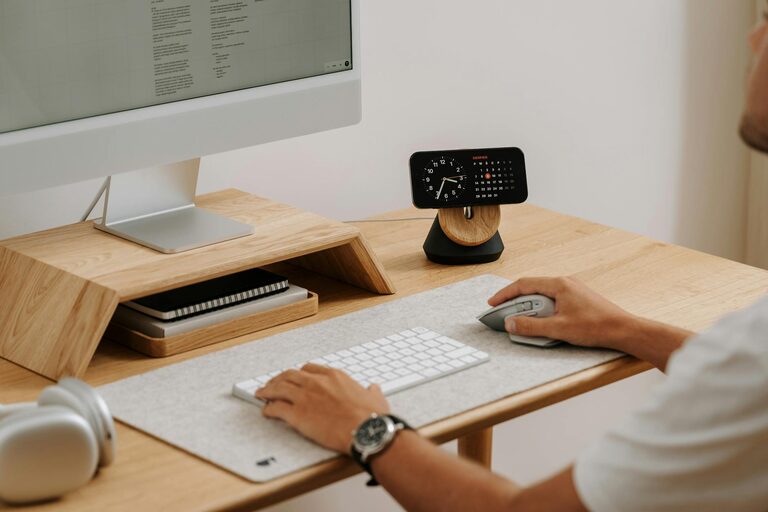
Creating a relaxing home office environment is key to maintaining focus and boosting productivity during work hours. When your workspace feels calm and inviting, you’re less likely to feel stressed and more likely to enjoy your workday. Here are some effective tips to help you build a home office that supports both comfort and efficiency.
Choose the Right Location
Find a Quiet Space
Select a spot in your home that’s quiet and away from high-traffic areas. This helps minimize distractions and create a peaceful atmosphere.
Natural Light Matters
If possible, set up your office near a window. Natural light not only reduces eye strain but also improves mood and energy levels throughout the day.
Invest in Comfortable Furniture
Ergonomic Chair and Desk
Choose an ergonomic chair that supports good posture. Your desk should be at a height that allows your arms to rest comfortably without strain.
Keep it Adjustable
Consider furniture options that can adjust in height or angle. This way, you can switch between sitting and standing, which benefits health and focus.
Declutter Your Workspace
Keep Only Essentials
Limit the items on your desk to what you need daily. A tidy workspace reduces distractions and helps you concentrate better.
Use Storage Solutions
Shelves, drawers, and organizers keep your supplies neat and easily accessible, preventing clutter from building up.
Personalize with Calming Decor
Soothing Colors
Decorate with calming colors such as soft blues, greens, or neutrals. These shades create a tranquil environment that enhances concentration.
Add Plants
Indoor plants not only improve air quality but also bring a touch of nature into your space, promoting relaxation and creativity.
Control Noise Levels
Use Noise-Cancelling Tools
If external noise is unavoidable, consider noise-cancelling headphones or white noise machines to maintain focus.
Background Music
Soft instrumental music or nature sounds can create a relaxing ambiance without being distracting.
Optimize Lighting
Balance Brightness
Avoid harsh overhead lights. Use desk lamps with adjustable brightness to reduce glare and protect your eyes.
Warm Light Settings
Choose warm light bulbs rather than cool, harsh lighting to promote a cozy and inviting workspace.
Maintain Good Air Quality
Ventilation is Key
Keep windows open when possible or use air purifiers to ensure fresh air circulates, which helps maintain alertness.
Avoid Strong Scents
Stick to subtle, pleasant smells if you use air fresheners or candles. Strong scents can sometimes cause headaches or dizziness.
Establish a Routine and Boundaries
Create Work Habits
Designate work hours and stick to them to help your brain associate your home office with productivity.
Define Personal Space
Communicate with family or housemates about your workspace and times when you should not be disturbed.
Incorporate Relaxation Techniques
Take Regular Breaks
Short breaks for stretching or deep breathing reduce tension and prevent burnout during long work sessions.
Mindfulness or Meditation
Having a quiet corner or chair for a few mindful minutes can refresh your focus and reduce stress.
Use Technology to Your Advantage
Manage Notifications
Turn off non-essential notifications to stay focused and limit interruptions.
Utilize Productivity Apps
Use apps to track tasks and deadlines, helping you stay organized in a stress-free way.
—
Creating a relaxing home office doesn’t require a major overhaul. By making small adjustments focused on comfort and calm, you can transform your workspace into a place where productivity thrives naturally. Remember, the environment you work in has a direct impact on your mood and efficiency, so investing time in designing your space is well worth the effort.